
Short Story Engine Review: Turn Your Books Into Short Stories & Create More Ways To Get Discovered
Short Story Engine Review
ShortStoryEngine · The Missing Step In Almost Every “Create & Publish Your Book” System
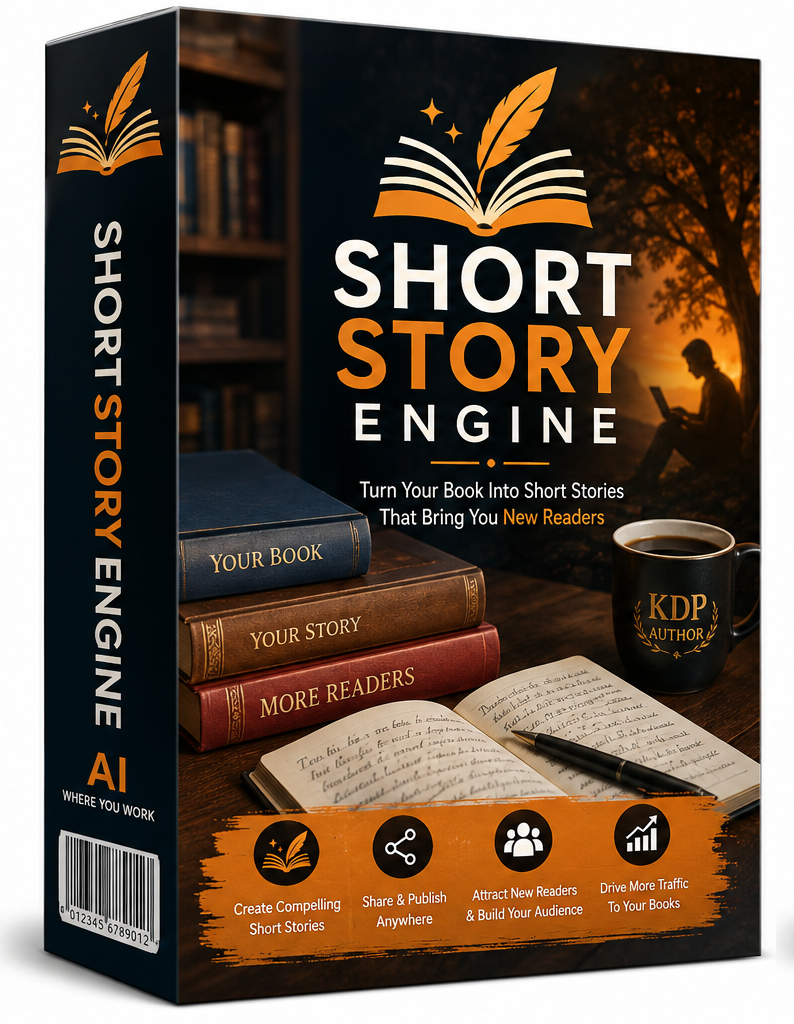
What if the book you already wrote could become the starting point for more short stories, reader magnets, social content, newsletter material and new opportunities to introduce readers to your work?
That’s the core idea behind ShortStoryEngine.
Short Story Engine helps you turn an existing book, story world or simply an idea into standalone short stories you can publish, share and repurpose to attract readers and create paths towards your books.
So Whether Your Book Is…
- Published.
- Half-written.
- Still an outline.
- Or currently sitting inside that KDP tool you bought and fully intend to use…
Where are the readers going to come from?
And that’s something you can start working on before the book is finished
Plus two bonuses included today — the Short Story Continuity & Quality-Control Kit ($67 value) and the From Short Story To Author Site walkthrough.
Short Story Engine Quick Overview

| Creator | Ken Bluttman et al. |
| Product | Short Story Engine |
| The official page | >>Click here to access |
| Front-end price | $27 (one-time payment) |
| Regular Price | $47 |
| Category | AI Infographic Prompt Generator |
| Main Purpose | Create structured prompts for AI-generated infographics |
| Number Of Frameworks | 30 |
| Topics/Niches | Virtually unlimited |
| Skill Level | Beginner-friendly |
| Best For | Content creators, bloggers, marketers, educators, digital sellers, affiliates, freelancers, and businesses |
| Bonus | Yes, Huge Bonus |
| Guarantee | 30-day money-back guarantee! |
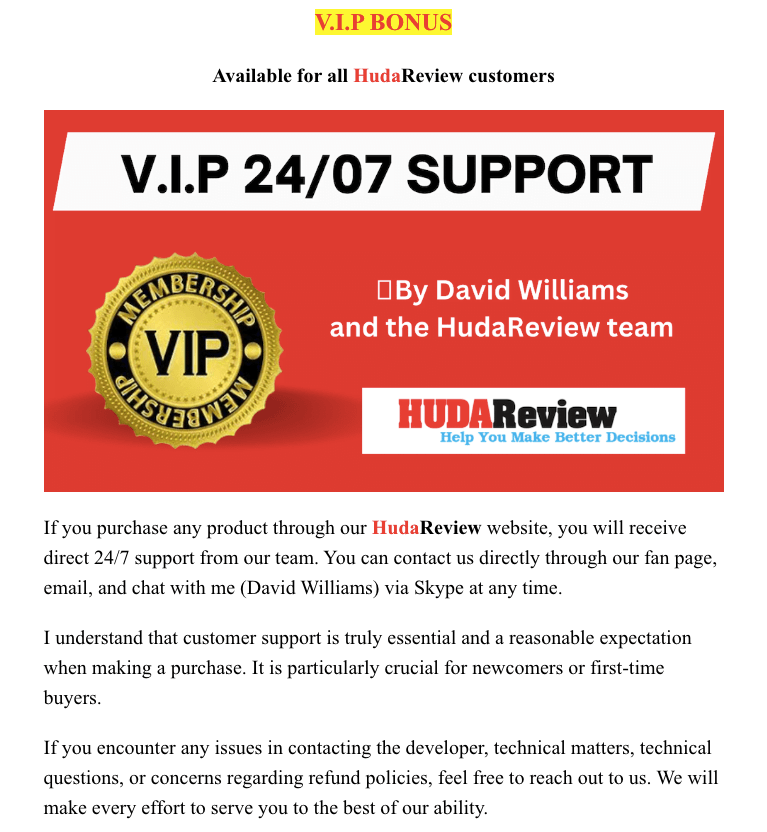
| Support | Vendor Support Email: [email protected]
HudaReview Support Email: [email protected] |
Most Self-Publishing Products Solve Step One
Create the book. Idea. Outline. Write. Cover. Format. Publish.
There are plenty of tools designed to help you get from blank page to finished KDP book. And that’s useful.
But once the book exists, a completely different problem begins:
That’s the part most book-creation systems leave until the end.
ShortStoryEngine tackles that missing next step. It helps you build the path between the book and the reader.
If the book already exists…
Use its characters, world, themes and unused possibilities to create standalone discovery stories.
If the book doesn’t exist yet…
Use short stories to develop the characters and world while simultaneously creating content that can start attracting the audience you’ll eventually want when the full book is ready.

Either WayPromotion stops being something you suddenly remember after hitting Publish.
ii · The Question Nobody Answers Early Enough
You’ve Got The Book.
Or At Least The Tool That’s Going To Help You Create The Book.
- Create the idea
- Research the niche
- Build an outline
- Write the chapters
- Design the cover
- Format the book
- Create the listing
- Publish it on Amazon
And those things matter. But there’s one rather important question that tends to get pushed until the end:
Because pressing Publish isn’t the finish line. It’s where a completely different job starts — getting the book in front of people.
You can write a great book. Give it a strong cover. Optimize the listing. Choose the right keywords.
And still find yourself looking at the same problem thousands of self-publishers face:
How do I give more readers a reason to discover me?
That’s the problem ShortStoryEngine was built around.
ShortStoryEngine helps you create more ways for people to discover it.
Think about what you’ve already created inside one book. Characters. Locations. Relationships. History. Conflicts. Ideas.
Moments readers never saw. Things that happened before page one. Things happening somewhere else while the main story unfolds. Side characters with lives of their own. Events between one book and the next.
You’ve already done much of the difficult creative work.
So why leave all of that material locked inside one product page on Amazon?
ShortStoryEngine helps you take that larger body of work and turn it into standalone short stories you can use to create more opportunities for reader discovery.
Not by simply chopping chapters out of your book. And not by randomly generating unrelated fiction. Instead, you develop stories that sit naturally around the work you’ve already created.
iii · Seven Companion-Story Frameworks
What Kind Of Stories?
ShortStoryEngine can help you explore angles such as these — each one a different doorway back to your book.

Framework 01
The Prequel Moment
What happened shortly before the main story began?
Give readers a taste of the world before they ever open the book.
Framework 02
The Missing Scene
What happened outside the main narrative? A conversation. An encounter. A decision.
A moment that didn’t belong in the book — but could make a great standalone story.
Framework 03
The Side-Character Spotlight
Your main character isn’t the only person with something interesting going on.
Take somebody readers barely met and give them the spotlight.
Framework 04
The Origin Story
Where did that character come from? Why does that place matter? What happened before the conflict began?
What made somebody become the person we meet in the main book?
Framework 05
The Seasonal Story
A holiday. A particular season. A festival. An anniversary. A recurring event inside your story world.
Give readers a reason to return.
Framework 06
The Bridge Story
Finished Book One? Working on Book Two?
Create something that sits between them and keeps the world alive while readers wait.
Framework 07
The Reader-Magnet Exclusive
Create a satisfying standalone story that gives someone a taste of your characters, voice and world…
Then invite interested readers to take the next step — into your newsletter, your author page, your series, or your main book.
iv · The Real Idea
Don’t Rely On One Book To Do All The Work

What You Get Inside Short Story Engine

ShortStoryEngine helps you create more roads leading towards it.
v · Two Paths, Same Next Step
Wherever You Are Right Now, There’s A Move
Book Already Live? Give It More Doorways.
- Characters into side stories
- Backstory into prequels
- Unused scenes into standalone moments
- Story-world details into origins
- Series gaps into bridge stories
- Existing ideas into reader magnets
Instead of one book having one main discovery point, you start creating more places where the right reader might first meet you.
Book Still Coming? Build The Runway First.
- Start from a genre or topic
- Start from a theme or character idea
- Start from a setting or story world
- Start from a basic premise
- Or simply the type of book you’re planning
- And begin developing short stories now
There’s a much better time to think about promotion than launch day. Before launch day.
If you haven’t finished your book yet, that doesn’t make ShortStoryEngine something you need “later.” It may make it more useful now.
Because starting early gives you something much more useful than another folder full of book ideas. You can begin developing characters, story concepts, world-building, your voice, reader-facing content, potential reader magnets — and the beginnings of the audience you’ll eventually want when the main book is ready.
vi · A Short Thought Experiment
Imagine Two Authors
Author #1
Creates the book.
Publishes it.
Then asks: “Right… where do I find readers?”
Now they have to start everything from zero.
Author #2
Creates short stories while the main project is developing.
Starts sharing useful story content. Starts giving people ways to discover the world. Starts building reader familiarity. Potentially starts building a small list or audience.
Then eventually says: “The full book is ready.”

That’s why ShortStoryEngine isn’t just for the book you’ve already published. It’s also preparation for the book you’re still planning to publish. You don’t have to wait for the finished product before you start creating the path towards it.
Bought A Book-Creation Tool But Haven’t Used It Yet?Then ShortStoryEngine can actually help make that project feel more real. Instead of staring at the giant task — “write the whole book” — start smaller.
One character. One premise. One short story. One piece of the world. Then another.
Some may become promotional stories. Some may become reader magnets. Some may lead you somewhere completely unexpected. And some may help you understand what the eventual book should become.
You don’t have to wait for 50,000 finished words before you can start building something around the idea.
vii · The Process
Here’s How ShortStoryEngine Works

Book already live? Use it as the creative foundation.
Book still coming? Start from your idea, characters, genre, theme or concept instead.
Explore new angles based on:
- Prequels and missing moments
- Characters, origins and side stories
- Story-world events and bridge stories
- Reader exclusives — or completely new short-story concepts
Develop the concept into a standalone story that makes sense to somebody who may never have encountered your work before.
The goal isn’t to create a confusing extract that requires somebody to already know the book. It’s to create something capable of standing on its own — while giving the right reader a reason to want more.
This is where the system becomes much more interesting. Because a completed story doesn’t have to be used once. It can become:
- A full short story
- A newsletter feature
- A serialized social story
- Selected excerpts and quote content
- A reader magnet
- Website content, bonus material and promotional content
One finished story can become the raw material for multiple reader touchpoints.

That might be your main book. Your series. Your author page. Your website. Your newsletter. Your next release. Or simply another story.
The aim isn’t to hammer people with links. It’s to give readers something worthwhile first — and somewhere sensible to go next.
viii · Included Free With Your Purchase
The Short Story Traffic Playbook
Creating the story is only half of the system. You also need to know what to do with it.
That’s why your ShortStoryEngine purchase includes the Short Story Traffic Playbook. Inside you’ll discover how to use your stories as more than isolated pieces of fiction.

Inside The Playbook
Eight Modules. One Repeatable System.
1. Why Short Stories Work
Understand why a short companion story gives readers a lower-friction introduction to your work. Build curiosity. Showcase characters. Introduce your tone and story world. Give people something useful before asking them to buy the full book.
2. The 7 Short Story Types That Work Best
Prequel moments. Missing scenes. Side-character spotlights. Origin stories. Seasonal stories. Bridge stories. Reader-magnet exclusives. Plus how to choose a story that expands your world without unnecessarily spoiling the main book.
3. Turn One Story Into Multiple Assets
Don’t write it once and forget about it. Discover ways to transform your completed story into newsletter content, social serialization, excerpts, quote material, reader magnets, website content and reader bonuses. Get more mileage from the creative work you’ve already done.
4. The Social Sharing System
Learn how to introduce your stories through social content without simply posting “here’s my book, buy it.” Use hooks, teasers, scenes, quotes, micro-moments, context and softer calls to action. Curiosity first. Link second.
5. Reader Magnet Setup
Your short story can also become the reason somebody joins your audience. Create a standalone reader bonus, give it a compelling title and hook, make it available through a simple signup process — and use the relationship to introduce readers naturally to your books and future releases.
6. Your 30-Day Short Story Traffic Plan
Week 1 — Create the story and teaser content. Week 2 — Share excerpts and key moments. Week 3 — Turn it into a reader magnet or audience-building asset. Week 4 — Repurpose the strongest material and reconnect it to the main book.

The idea isn’t one enormous promotional push. It’s repeated, useful visibility.
7. Templates & Checklists
Practical planning material covering story-angle planning, social teasers, newsletter introductions, reader magnets, author bios and CTAs, and content reuse — so you don’t have to reconstruct the process every time you create another story.
8. Publishing & Submission Best Practices
Different destinations have different rules. The Playbook shows you what to think about before publishing or submitting:
- Story fit and word count
- Rights and reprint considerations
- AI-assisted content policies
- Promotional-link restrictions
- Author bios and permitted CTAs
- Tracking where you’ve used each story
Because the goal isn’t simply to throw your story everywhere. It’s to use it intelligently.
ix · Included Free Today
Two Bonuses That Cover Either Side Of The Story
The engine creates the story. The Playbook tells you where to put it.
These two bonuses handle the jobs that sit either side of that: checking the story is fit to publish before anybody reads it — and giving it a home of your own to live on, instead of only ever renting space on somebody else’s platform.

Bonus #1 · Available Immediately
The Short Story Continuity & Quality-Control Kit
$67 Value · Yours Free Today
AI is good at producing a story quickly. It is much less reliable at remembering that your protagonist has white hair, that the sister died in chapter nine, or that the reader isn’t supposed to know who the traitor is yet.
A companion story with a continuity error in it doesn’t simply read badly. It quietly tells the readers you already have that you weren’t paying attention.
This kit is the review pass you run before the story goes anywhere. A PDF workbook plus a modular prompt pack you paste into whichever AI you already use:
- Canon extraction worksheet — pull the facts that must not change out of your own book, each one with a source pointer back to where you said it
- Companion story brief builder — decide what the story has to achieve before you start auditing it
- Continuity audit prompt — names, ages, chronology, travel time, world rules and who knows what at which moment, graded Critical / Important / Minor
- Character voice sheet and voice audit — check the dialogue against evidence from your own pages rather than a hunch
- Spoiler and dependency check — what the story gives away, and what a brand-new reader would be lost without
- Standalone story test — scored across eight areas, because a reader magnet that only works if you’ve read the book isn’t a reader magnet
- Human editing checklist — including the observable patterns that make AI-assisted prose read like AI-assisted prose
- Revision plan and publication-readiness scorecard — a Green / Amber / Red gate and a human sign-off list before anything gets published
The prompts are deliberately model-neutral, so they work with whichever AI you use now and whichever one replaces it. They produce findings for you to check — not verdicts to obey. No prompt can guarantee perfect continuity, and the final read is always yours.
In your members area the moment you join.

Bonus #2 · Added Friday 11th September
From Short Story To Author Site: The Walkthrough
$97 Value · Video Training + Process PDF + Starter Pack
Most authors wait until the book is finished before building a website. So the site sits empty for months collecting nobody, because there is nothing on it worth arriving for.
A short story flips that around. It gives a stranger a reason to visit, read, and join your list before the book exists.
This is a screen-share walkthrough of a real site rather than a demo. It’s blogbum.com — the author site for my own GameLit series, built around Paladin 404: Welcome to the Dungeon while the book is still in rewrites. Two pages, one free story, one signup, no site builder and no monthly fee. You watch the whole build:
- The six inputs to gather first, so you don’t build a generic template you then have to redo
- The canon pass — ten minutes searching my own manuscript found white hair the artist had drawn brown, a silver mushroom drawn as a red toadstool, and a blue biro in a fantasy world. Your manuscript already contains your brand assets
- How to build the design out of the book rather than out of a template — plus the one test that tells you which of the two you’ve actually done
- The seven-part story page template, including the two lines in the metadata row that remove a visitor’s objections before they click
- The placement line that turns a free story into evidence a bigger world exists — which is the real conversion mechanism
- The 90-pixel cover test, which reversed the ranking on my own covers. Covers get chosen at full screen and bought at thumbnail size
- The starter pack: two HTML page templates with placeholder text, the canon sheet template, the story page checklist and the image prompt structure
Build the story page properly once and every story after it is a copy-and-swap job of about fifteen minutes.
Commission a designer to build you the same thing and you would pay considerably more than today’s entire purchase — and you would still have to go back to them every time you wrote another story. The stories are the fuel. This is the engine you pour them into.
Added to your members area on Friday 11th September — nothing to claim and nothing to request.
Both bonuses are delivered inside the ShortStoryEngine members area. No separate download page, no bonus-claim email, no third-party hoops.
x · The Difference
This Is Not Simply “Make Me A Short Story”
ShortStoryEngine gives you the mechanism around the story.
- Start with the book — or start before the book
- Find the angles
- Develop standalone stories
- Turn those stories into promotional assets
- Give them places to work
- Give interested readers somewhere to go next
That’s the difference.
A short story gives somebody a much smaller first step.
They can encounter your writing, your characters, your ideas, your world and your voice — without committing to the full book first.
And if they enjoy that experience? Now you have a much more natural reason to introduce what comes next.
The goal isn’t to replace your main book. It’s to give the main book more doorways.
xi · Everything You Get Today
Your Complete Reader-Discovery System
Included
The Short Story Traffic Playbook
The complete strategy for using those stories as reader-discovery, promotional and audience-building assets.
Included
7 Proven Companion-Story Frameworks
Prequels. Missing scenes. Side characters. Origins. Seasonal stories. Bridge stories. Reader magnets.
Included
30-Day Short Story Traffic Plan
A practical schedule for creating, sharing, repurposing and reusing your story rather than relying on one promotional push.
Included
Templates & Checklists
Planning tools designed to make your short-story promotion easier to repeat.
Included
BONUS: Short Story Continuity & Quality-Control Kit
PDF workbook plus a model-neutral prompt pack — canon extraction, continuity and character-voice audits, spoiler check, standalone test, human editing checklist and a publication-readiness scorecard. In your members area immediately.
$67 Value
BONUS: From Short Story To Author Site
Screen-share walkthrough, process PDF and starter pack for building a two-page author site with a free story on it — no site builder, no monthly fee. Built around my own book, blogbum.com. Added Friday 11th September.
Your purchase also comes with a 30-day money-back guarantee, so you can test the system yourself and see how well it supports your content creation needs.

Click the button below to access the main sales page:

Here’s The Honest Answer
No legitimate traffic or marketing system can promise that.
What it can help you do is something much more practical: create more opportunities for the right readers to encounter your work.
Instead of relying entirely on one listing, one launch, one social post, or somebody randomly finding you on Amazon — you can create additional stories and content that introduce people to what you do.
What happens after that still depends on the quality of the stories, the fit with the reader, the book, the offer, and how consistently you use the strategy.
But you have something you didn’t have before:
xiii · Questions
Frequently Asked Questions
Do I need to already have a finished book?
No. If you’ve already completed your book, ShortStoryEngine can use your existing characters, themes, ideas and story world as the starting point.
If your book isn’t finished yet, you can start with an idea, genre, topic, character or basic concept and begin creating short stories now.
Is this only useful after my book is published?
No. In many ways, starting earlier makes sense.
You can begin developing short stories, reader-facing content and potential audience-building assets while the main book is still being created. That gives you time to think about reader discovery before launch day arrives.
What if I’ve bought a KDP tool but haven’t created my book yet?
Then this can become part of your preparation. Use shorter stories to develop characters, test ideas, explore your story world and begin building material you may eventually use to attract readers.
You don’t have to wait until the entire book is finished before doing anything reader-facing.
Does ShortStoryEngine just chop pieces out of my existing book?
No. The idea is to create standalone stories around the material you’ve created.
That might include an event before the main book, a side character, a missing moment, an origin, a bridge story or another complementary angle.
Could I just ask an AI to write a short story?
Of course. That’s not the problem we’re solving.
ShortStoryEngine is designed around the specific job of turning books and book ideas into reader-discovery stories, then combining that with a practical system showing you how those stories can be shared, repurposed and connected back to your wider publishing goals.
Do I have to be technical?
No. ShortStoryEngine is designed to make the process straightforward. Start with what you have. Choose the type of story or angle you want to develop. Then work through the result.
Does it automatically publish my stories everywhere?
No. ShortStoryEngine creates the stories and gives you the strategy for using them. You stay in control of where and how you publish or share your work.
Always check the current rules and requirements of any third-party publishing platform before submitting.
Can I use the same story in different ways?
That’s one of the core strategies inside the Traffic Playbook. A single story can potentially give you material for social content, newsletters, reader magnets, excerpts, bonus content and other promotional uses.
The goal is to get more value from the work rather than continually starting again.
How do I claim the two bonuses?
You don’t have to. Both are delivered inside your ShortStoryEngine members area automatically.
The Short Story Continuity & Quality-Control Kit is waiting there the moment you join. The From Short Story To Author Site walkthrough is added to the same members area on Friday 11th September — nothing to request, nothing to forward, no separate bonus page to hunt down.
The Book Was Never The End Of The Process
Book already live? Give it more ways to be found.
Book still coming? Start building the runway before you need it.
Don’t wait until launch day before you start thinking about the people you’re eventually going to need to reach.
Start creating the stories. Start developing the world. Start building the assets. Start creating more reasons for readers to discover you.
Then when the main book is ready…
You’ll already be thinking like an author with an audience to build — not just somebody with another file to upload to Amazon.
Already written your book? Create more discovery points.
Haven’t written it yet? Start building the audience your future book will need.
Short Story Engine Review – The Available OTOs
The front-end gives you the core infographic prompt system, while the upgrades expand the range of visual formats and content types you can create.
Here is a quick look at what each OTO adds.
OTO 1: Short Story Engine Pro Edition
Price: $37 (one-time payment)
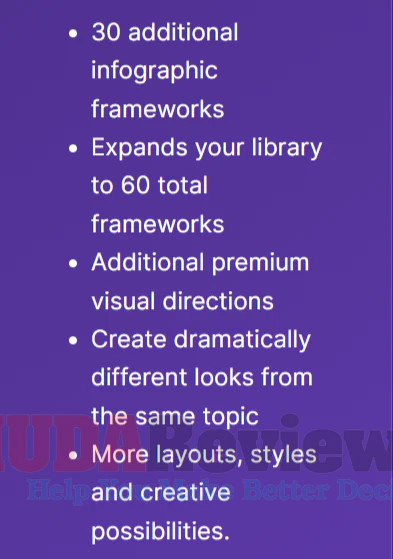
Pro Edition expands the original system with a much larger collection of infographic frameworks and more visual directions.
This upgrade gives you more ways to present the same topic, which is especially useful when you want to keep your content fresh across different campaigns, niches, or audiences.
It suits users who expect to create infographics regularly and want more creative flexibility beyond the initial framework library.
OTO 2: Carousels Edition
Price: $37 (one-time payment)
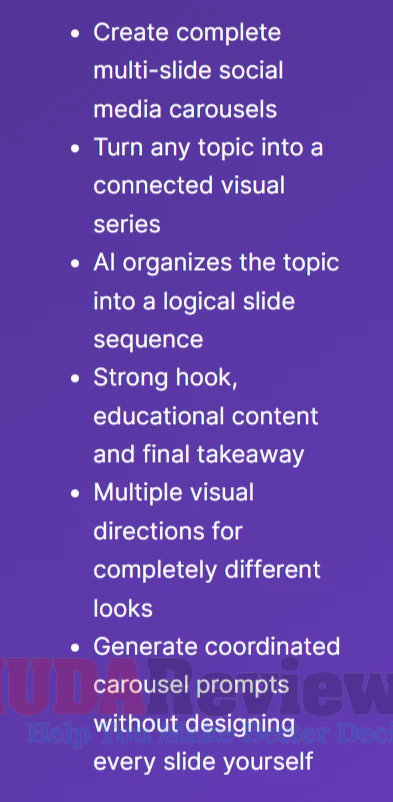
Carousels Edition focuses on turning a single topic into a connected series of social media slides.
The system helps organize the idea into a clear sequence that starts with an attention-grabbing opening, develops the topic across multiple slides, and finishes with a strong takeaway.
It can save a lot of planning time for creators who want to produce educational, promotional, or value-driven carousel content without having to map out every slide manually.
OTO 3: Graphics Builder Edition
Price: $47 (one-time payment)
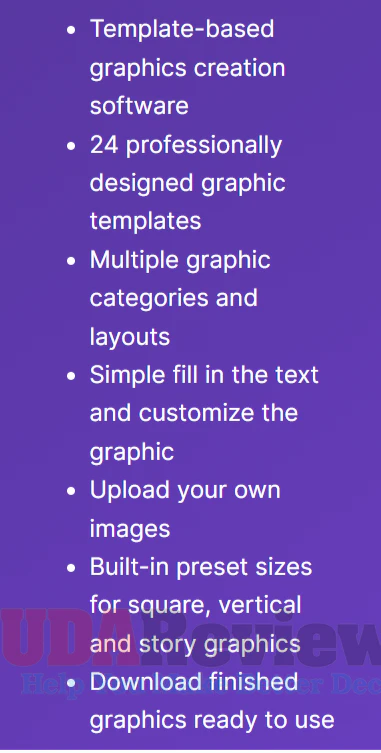
Graphics Builder Edition gives you a more hands-on way to create finished visual graphics through customizable templates.
You can work from professionally prepared layouts, add your own text and images, adjust the design to suit your content, and prepare graphics in common social media sizes.
This upgrade is a good fit for users who want more control over the final graphic and prefer a template-based creation process alongside AI-generated infographic prompts.
Can You Really Monetize With Short Story Engine?
Yes, Short Story Engine can support several practical monetization models, especially for beginners who want to create visual content without spending hours planning infographic layouts or writing complicated AI prompts.
The real opportunity comes from what you can produce with it. Businesses, creators, bloggers, coaches, affiliate marketers, and educators regularly need visuals that explain ideas quickly and attract attention.
Short Story Engine helps you prepare those graphics faster by structuring the information, selecting an appropriate infographic format, guiding the visual direction, and generating the detailed prompt needed for AI image creation.
Here are four strong ways you could use it commercially:
💰 Sell Infographic Creation Services.
One of the easiest starting points is offering infographic creation as a service.
Businesses and content creators often have plenty of information but lack the time or design experience to turn it into attractive visual content. You can take their topic, choose a suitable Short Story Engine framework, generate the prompt, create the graphic with your preferred compatible AI tool, and deliver the completed visual.
Potential projects could include:
- Business process graphics.
- Product comparison visuals.
- Educational infographics.
- How-to guides.
- Industry statistics.
- Timeline graphics.
- Buyer guides.
- Cheat sheets.
You could offer these services through freelance marketplaces, social media, your own website, or by directly reaching out to local businesses and online entrepreneurs.
💰 Create Social Media Content Packages for Clients.
Social media managers and small businesses constantly need fresh content, which creates another strong opportunity.
Short Story Engine lets you turn a single subject into multiple visual angles. For example, a fitness coach’s topic could become a step-by-step infographic, a mistakes graphic, a warning-sign visual, a roadmap, or a cheat sheet. A marketing consultant could use the same approach for tips, strategies, comparisons, and educational posts.
You could package several graphics together and sell them as weekly or monthly social media content bundles. Because the frameworks handle much of the content structure and prompt preparation, producing multiple creative variations becomes far more manageable.
💰 Create Lead Magnets and Digital Products.
Short Story Engine can also help you create visual assets people will download, save, or purchase.
A detailed topic could become a cheat sheet, visual guide, blueprint, checklist-style infographic, buyer’s guide, roadmap, or educational reference graphic. You could use these as free lead magnets to grow an email list or combine several related graphics into a digital content package.
For example, a marketer could create a collection of visual marketing guides, while a travel creator could develop destination cheat sheets. A business coach could produce planning graphics, and an educator could turn lessons into visual learning resources.
This gives one good idea several potential uses and helps you get more value from content you already know.
💰 Create Better Promotional and Affiliate Content.
Visual explanations can make product promotions much easier to understand.
Affiliate marketers, bloggers, and product owners can use Short Story Engine to create graphics that explain benefits, compare options, show processes, highlight common mistakes, present buying considerations, or walk readers through a particular solution.
These graphics can support review articles, social posts, email campaigns, landing pages, and promotional content. A well-organized infographic can also give readers another way to absorb information beyond plain text, making your marketing content more engaging.
For beginners, this method becomes especially attractive because you can start with products or niches you already promote and create supporting visuals around them.
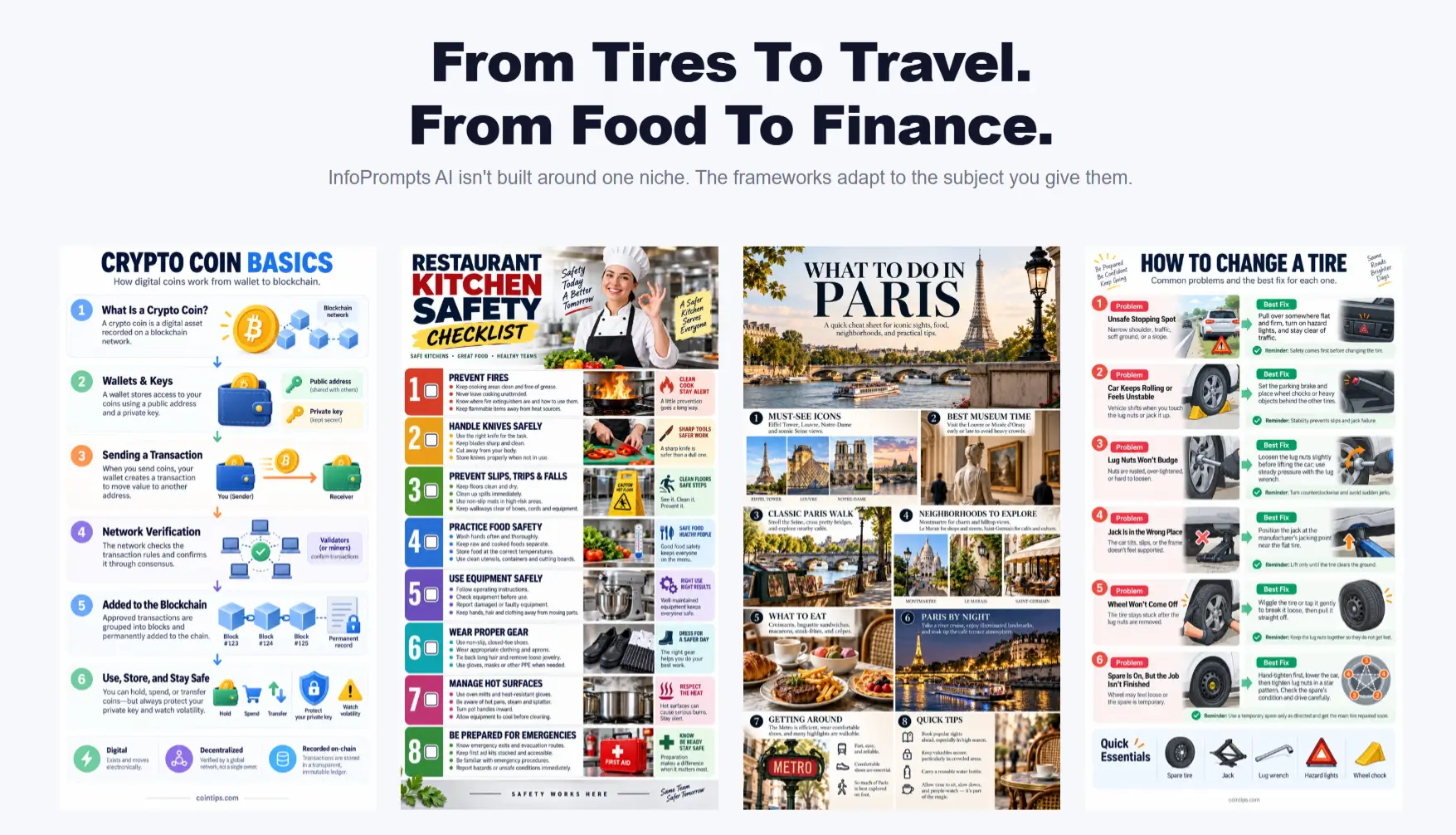
Who Is Short Story Engine For?
Short Story Engine is for people who regularly turn ideas, information, lessons, or offers into visual content and want a faster way to create strong infographic prompts.
It can be especially useful for:
- Social media creators who want more eye-catching educational and promotional graphics.
- Bloggers and website owners who want to make articles easier to scan and more visually engaging.
- Affiliate marketers who need comparison graphics, buyer guides, process visuals, and promotional content.
- Digital product creators who want visual assets for ebooks, courses, guides, bonuses, and downloads.
- Coaches and consultants who explain frameworks, processes, lessons, or strategies to their audiences.
- Teachers and trainers who want to turn detailed topics into clearer visual learning materials.
- Freelancers and agencies that create content, graphics, or marketing materials for clients.
- Small business owners who need branded visuals for promotions, websites, and social channels.
- Lead generation marketers who want to create cheat sheets, visual guides, and downloadable resources.
- Beginners using AI image tools who want more structure and direction without having to master advanced prompting.
- Content repurposers who want to turn a single topic into several visual formats.
- People working across multiple niches who need a reusable system that adapts to different subjects.
Still, Short Story Engine may be less suitable for:
- People who rarely create visual content.
- Users who only want traditional text-based content.
- Designers who prefer to create every layout and prompt manually from scratch.
- Anyone expecting the front-end software itself to generate the final infographic image without using a compatible AI image generator.
The Good and the Minor Drawbacks
After looking through how Short Story Engine works and where it can fit into real content workflows, I think its strengths clearly outweigh the minor limitations for the right user.
THE GOOD:
- Helps turn rough ideas into clearer visual concepts much faster.
- Great for beginners who struggle with writing detailed AI prompts.
- Makes infographic planning feel much less overwhelming.
- Useful across many niches, topics, and content styles.
- Helps one idea stretch into several different visual angles.
- Can save a lot of time when creating content regularly.
- Works well for both personal projects and commercial content.
- Gives marketers more ways to repurpose existing articles and ideas.
- Useful for social media, blogs, lead magnets, and promotional campaigns.
- Can support freelance and client-service opportunities.
- Makes educational information easier to present visually.
- Reduces the need to figure out layout logic on your own.
- Offers good value at the current one-time entry price.
- Easy concept to understand, even for less technical users.
THE DRAWBACKS:
- Final AI-generated results can vary depending on the image tool you use.
My Final Verdict
Short Story Engine can be a useful addition to your content toolkit when you want stronger infographic ideas without having to create complicated prompts every time.
Its framework-based approach gives you clear creative direction while still leaving plenty of room to adapt the final graphic to your topic, audience, and brand.
Thanks for following my Short Story Engine review all the way to the end. I hope it has made your buying decision easier, and I wish you the very best with your next step.
Frequently Asked Questions
❓ Can I use the same topic more than once?
Yes. One topic can be approached through several frameworks, so you could turn the same idea into a roadmap, cheat sheet, decision tree, buyer’s guide, timeline, pyramid, or another visual format.
❓ Does it work only for marketing topics?
No. The frameworks can adapt to many subjects, including business, education, travel, food, finance, hobbies, products, tutorials, health-related topics, and other niches.
❓ Can beginners use it without understanding prompt engineering?
Yes. The system handles much of the detailed prompt structure for you. You mainly choose the topic, framework, visual direction, and optional branding before generating the prompt.
❓ Can I use the graphics for client projects?
The system can support client work by helping you prepare infographic concepts and prompts for businesses, marketers, creators, and other customers. This can also support freelance content services.
❓ Can it help me repurpose existing content?
Yes. You can take ideas from blog posts, lessons, product content, tutorials, or other materials and present them in different infographic formats, giving existing content a fresh visual look.
❓ Do I need separate design software to use the front-end?
The main product focuses on generating structured infographic prompts. You then use those prompts with a compatible AI image-generation tool to create the final graphic.
❓ Can I add my own website or promotional message?
Yes. You can include an optional website address or call-to-action footer, which can help when creating branded or promotional visuals.
❓ Is it useful for creating lead magnets?
Yes. Frameworks such as cheat sheets, guides, roadmaps, blueprints, and educational visuals can work well as downloadable resources or as part of larger lead-generation materials.
❓ How different can the results look from the same subject?
Quite different. Changing the framework and visual direction can completely change how the information gets organized and presented, even when the original topic remains the same.
❓ Is the Pro upgrade necessary to start using the system?
No. The front-end already includes 30 infographic frameworks and the core prompt-generation workflow. The Pro upgrade primarily expands the available creative options by adding frameworks and visual directions.


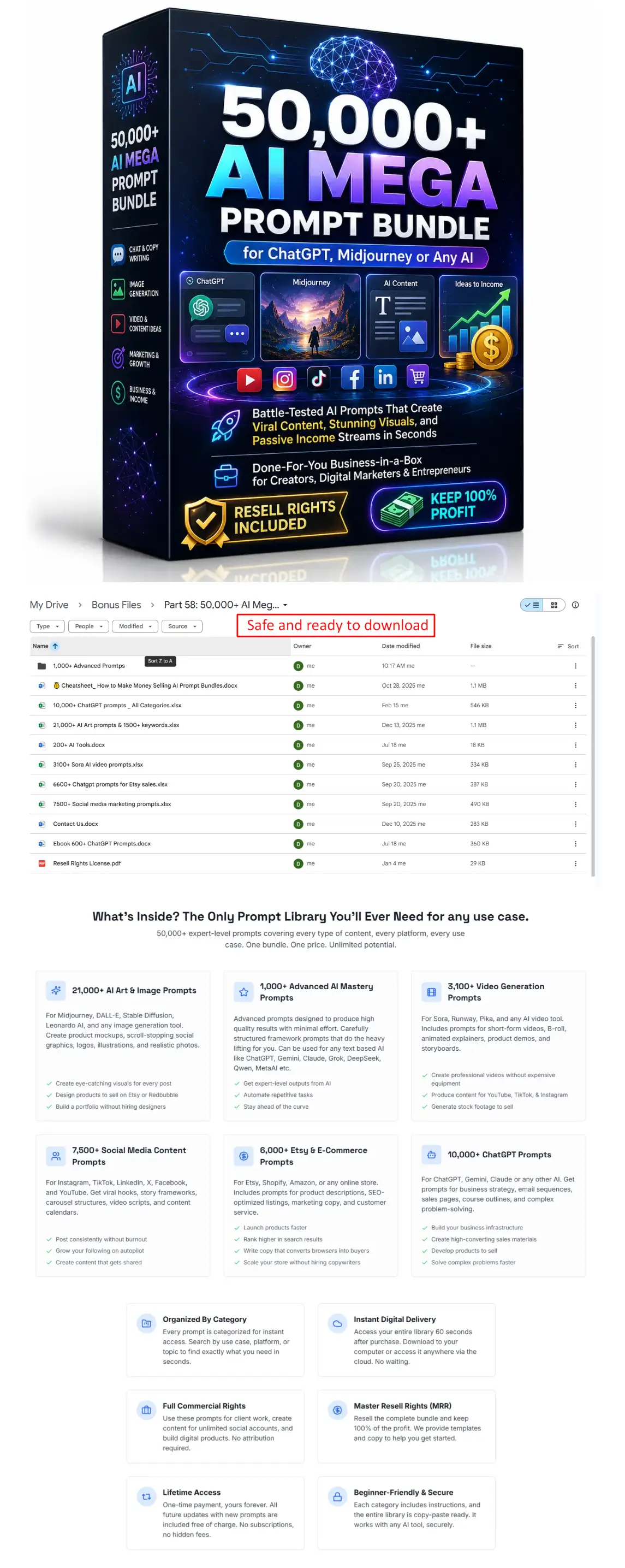
50,000+ AI Mega Prompt Bundle for ChatGPT, Midjourney, or Any AI
The Elite Agency Launchpad

The Training & Resources To Start Working In KDP Publishing
Part 1:

Part 2:


The Ultimate Collection of High-Quality PLR Packages For Your Online Business

01st Mega Pack:
10 Beautiful Themes For Different Business Types

02nd Mega Pack:
Graphics Elements For Versatile Usage

03rd Mega Pack:
The Video Tools

04th Mega Pack:
The Social Media Marketing Suite

05th Mega Pack:
The Social Traffic Apps

06th Mega Pack:
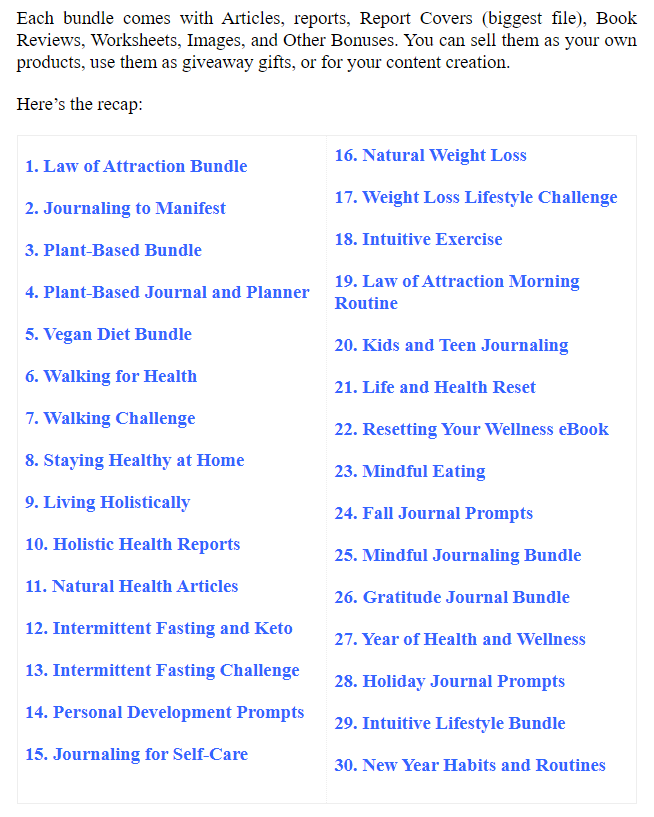
The Health, Diet, and Lifestyle Ebooks With PLR

07th Mega Pack:
The PLR Products With Personal Development Content
***3 STEPS TO CLAIM THESE BONUSES***
Step 1: Buy the Short Story Engine on my website:

(The price will increase soon.)
Step 2: After completing the transaction, forward the receipt to my email at [email protected]
Final step: You will receive the bonuses within 24 hours.
Thank you again for reading my Short Story Engine review. Send my best wishes to you and your family.





Leave a Reply